

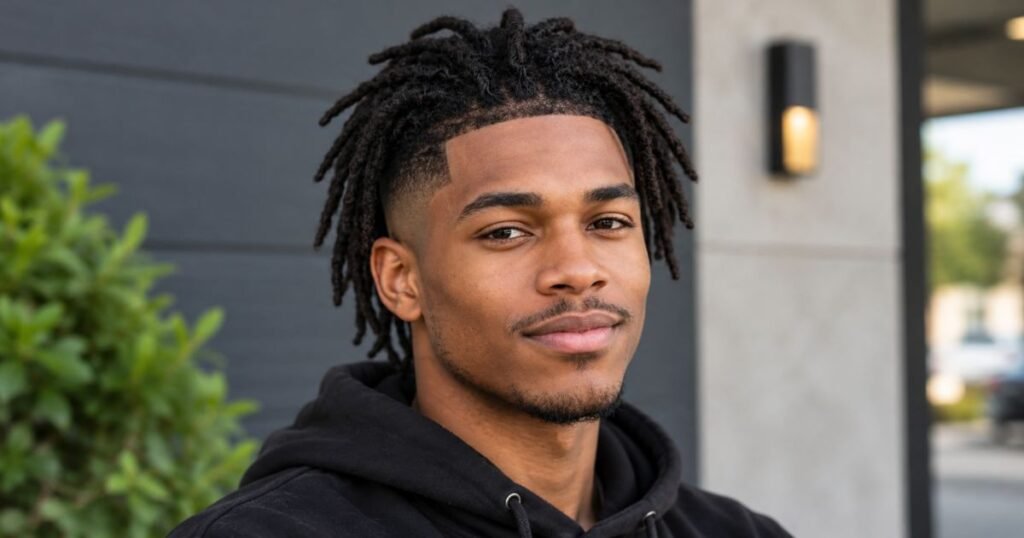
A mid taper with dreads gives you two things most people want at once: natural texture on top and a clean, controlled finish on the sides. The locs show your personality. The taper shows you take care of yourself.
This guide explains what the cut is, why it is popular, and which 16 styles are worth saving to your phone. You will also learn how to talk to your barber, what it costs, how to look after your locs, and whether the look works at the office.
Short on time? Here is the quick answer. A mid taper fade starts around the temple and gradually shortens the hair down the sides and back. Your dreadlocks stay long on top. The result looks sharp, balanced and easy to keep up.
What Is a Mid Taper with Dreads?
A mid taper with dreads is a haircut where the sides and back are faded to a shorter length, while the hair on top is styled in dreadlocks (also called locs). The fade begins at a medium height on the head, usually around the temple and the top of the ear.
Let us break the name into two parts.
The mid taper. A taper is a gradual cut. The hair gets shorter as it moves down toward the neckline and sideburns. In a mid taper, that change starts halfway up the sides. It is not as low as a low taper and not as dramatic as a high fade.
The dreads. Dreadlocks are sections of hair that have been twisted, coiled, braided or allowed to bind together naturally. They can be thin or thick, short or long, neat or freeform.
When you put the two together, the contrast does the work. Soft, textured locs sit above crisp, faded sides. That contrast makes the style look intentional and polished, even when your locs are still young.
Mid Taper vs Low Taper vs High Taper
The height of the fade changes the whole look. This table makes it simple.
| Fade Type | Where It Starts | Best For |
| Low taper | Near the ears and neckline | Subtle, conservative looks |
| Mid taper | Around the temple | Balanced, modern look for most people |
| High taper | Near the crown | Bold contrast and high-top dreads |
A mid fade is the safe middle path. It adds shape without removing too much hair from the sides. That is one reason a mid taper fade with locs works for so many face shapes and loc lengths.
Key Terms You Will Hear at the Barbershop
- Temple taper: a small fade around the temples and sideburns.
- Lineup (shape up): a sharp edge along the hairline, done with clippers or a trimmer.
- Skin fade: a fade that goes down to bare skin at the lowest point.
- Neckline: the shape of the hair at the back of the neck. It can be tapered, squared or rounded.
- Guard numbers: the plastic clipper attachments that set hair length. A lower number means shorter hair.
Knowing these words helps you explain exactly what you want, and it helps your barber get it right the first time.
Is the Mid Taper with Dreads Trending?
Yes. Locs with faded sides keep showing up on barbershop pages, social media feeds and sports fields. Top-ranking style galleries now treat the taper and locs pairing as its own category, and many of them say short to medium locs with a fade are more popular right now than very long locs.
Several things explain the rise.
- It looks tidy without hiding the texture. You keep the natural character of your locs.
- It grows out gracefully. A taper fades into the rest of your hair as it grows. You do not get an awkward shape in week three.
- It suits many loc stages. Starter locs, sponge twists and mature locs all work with a mid fade.
- It adapts to the person. Men, women and non-binary people all wear it, with different lengths and designs.
- It photographs well. Clean sides make the locs stand out, so the style looks good in pictures.
Many people are growing locs for the first time and want a finished look in the early months. A mid taper gives that from day one.
16 Best Mid Taper with Dreads Styles
Below you will find 16 ideas, grouped by length and mood. Each one includes who it suits and a quick tip. If you are saving photos for your barber, search for the style name along with “mid taper” so your reference image shows the right fade height.
Short Dread Styles with a Mid Taper Fade
Short locs are the easiest place to start. They are light, quick to style and sit neatly against a fade.
1. Short Dreads with Mid Taper

This is a classic. The locs are about one to three inches long and stand up or fall slightly forward. The sides are tapered at mid height.
It works for first-time loc wearers because there is little weight on the scalp. It also keeps your face open, which suits oval and square faces especially well.
Tip: Ask your barber to leave a little length around the loc roots so the fade does not cut into them.
Image alt text: short dreads with mid taper fade on a man with a neat beard.
2. Dreads with Sharp Lineup
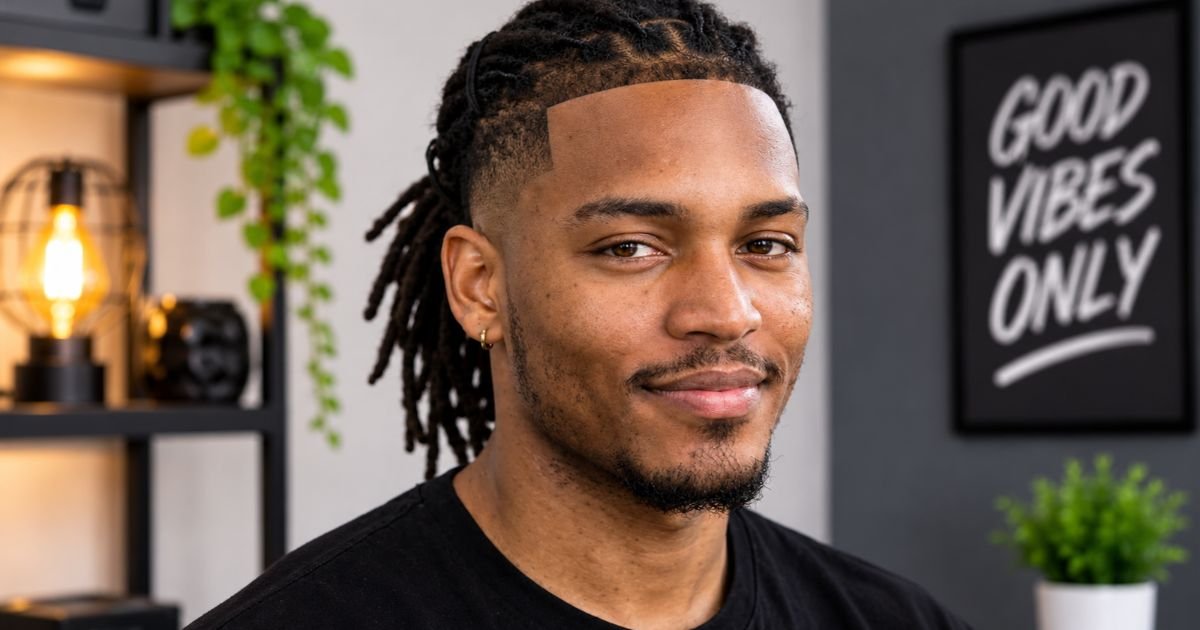
Here the focus is the hairline. A crisp lineup frames the forehead and the temples, and the locs sit just behind it.
This style looks best when the lineup is natural, not pushed too far back. A harsh, straight line can make a hairline look higher than it is. Ask for a clean shape that follows your real edges.
Tip: Do not let anyone line up the front if your locs reach all the way to the hairline. The barber could trim into the locs. Point out exactly where your locs begin.
Image alt text: dreads with sharp lineup and mid taper.
3. Thin Neat Dreads

Thin locs, often called pencil or micro locs, create a refined texture. They look detailed on top of a mid fade and move easily.
They also need a bit more care. Thin locs can loosen or break if you pull them too tight or twist them too often. Keep your retwists gentle.
Tip: This style suits people who like a polished, detailed finish and do not mind a longer installation time.
Image alt text: thin neat dreads with clean faded sides.
4. Starter Twist Dreads
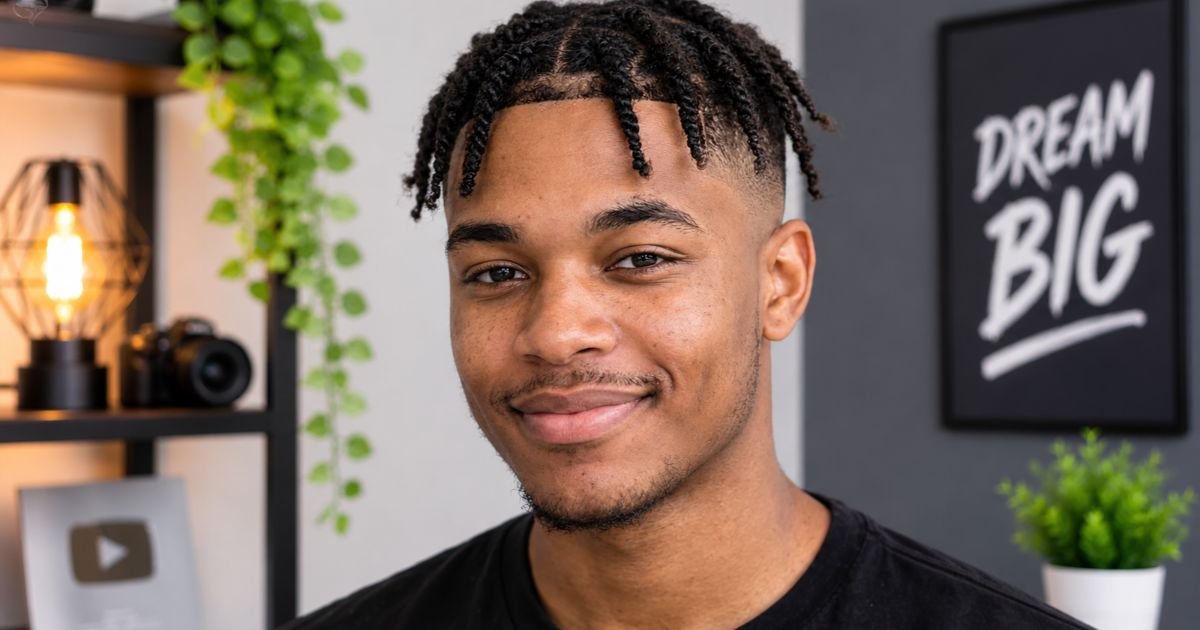
Starter twists are the beginning of your loc journey. The hair is divided into sections and twisted in two strands. Over time, the twists bind together and become locs.
Paired with a mid taper, the twists look tidy right away. The fade also keeps the sides short, so the twists do not feel crowded while they grow.
Tip: Avoid a skin fade at first if your scalp is sensitive. A slightly longer fade gives you more room to adjust as the locs mature.
Image alt text: starter twist dreads with mid taper fade.
5. Sponge Twist Dreads

Sponge twists use a small sponge brush to coil short, coily hair into soft, defined twists. They are popular among people with tight curls who want a textured top without full locs yet.
On a mid taper, sponge twists give you a modern look that is quick to do and easy to change. You can brush them out later if you want a different style.
Tip: Use a light curl cream, not heavy wax, so the twists stay soft and do not build up residue.
Image alt text: sponge twist dreads on top with mid taper fade.
Medium and Long Dread Styles
As your locs grow, you get more ways to style the top. A mid fade keeps the heavier hair from looking bulky.
6. Medium Dreads with Mid Taper

Medium locs fall between the ears and the shoulders. They can hang loose, sit behind the ears or be swept to the side.
This length gives you the most variety. It is also a good length for people who want a mid taper fade with dreads that works for both casual days and dressier ones.
Tip: Medium locs often look best with a slightly longer taper blend. That keeps the shape soft and natural.
Image alt text: medium dreads with mid taper and light beard.
7. Long Dreads with Mid Taper

Long locs reaching the chest or lower look dramatic against faded sides. The contrast between the length on top and the short hair underneath is the whole point.
Because long locs carry weight, scalp care matters. Avoid very tight styles that pull on the roots. Switch your parting or tie position now and then.
Tip: Ask your barber to keep the fade clean around the back so the locs fall without catching on stubble.
Image alt text: long dreads with mid taper fade falling past the shoulders.
8. Dreads with Tapered Neckline

This style puts the focus on the back. The neckline is tapered into a clean, soft curve or a neat square, and the locs are often tied up or pushed forward to show it off.
It is a good option if you wear your hair in a ponytail often. Also, a tidy neckline lasts longer than most lineups because the hair grows more slowly there.
Tip: Choose a natural neckline shape. A rounded or slightly tapered finish looks cleaner in the later weeks than a hard square edge.
Image alt text: dreads with tapered neckline and mid fade from behind.
9. Dreads in a Top Knot
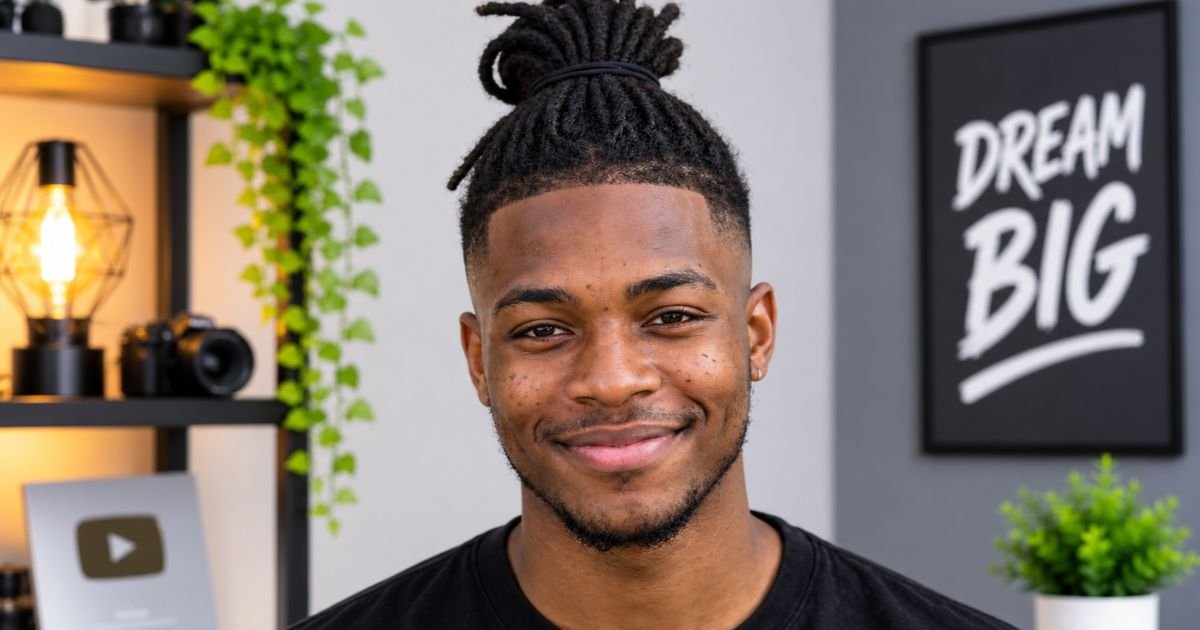
Gather medium to long locs and tie them in a high bun. The mid taper becomes the star because the sides and back are fully visible.
It is practical for gym days, hot weather and work, and it keeps locs off your face and neck.
Tip: Use a soft scrunchie or a fabric tie. Thin elastic bands can snag and break hair.
Image alt text: dreads in a top knot with mid taper fade.
Bold Dread Variations
If you like a style that gets noticed, these ideas add personality without losing the clean mid taper base.
10. Dreads with Connected Beard

A connected beard blends into the taper, so the fade on the sides flows into the facial hair with no sharp break. The locs on top finish the whole look.
It suits men who want a strong, full profile. A good barber will blend the sideburns into the beard and keep the cheek line sharp.
Tip: Match the beard density to the fade. A very thin beard may not blend well with a high contrast fade.
Image alt text: dreads with connected beard and mid taper fade.
11. Dreads with Line Design

Line design (also called hair art) means shaving a pattern into the faded side. It can be a single line, a curved part or a geometric shape.
Keep it simple if you are new to this. One clean part looks sharp for weeks. Complicated designs fade quickly and may need touch-ups every one to two weeks.
Tip: Bring a reference photo and ask the barber how often the design will need maintenance.
Image alt text: dreads with line design shaved into mid taper fade.
12. Blonde-Tipped Dreads

Blonde tips add a bright accent to dark locs. The color sits at the ends, so your roots and scalp are not exposed to bleach.
This style needs extra moisture. Lightened hair is more fragile, so use a deep conditioner and avoid heat. If you dye your locs, ask a stylist who has experience with locs, not only loose hair.
Tip: Start with a small section if you are unsure. You can always add more later.
Image alt text: blonde-tipped dreads with mid taper fade.
13. Thick Freeform Dreads

Freeform locs form without strict parting or regular twisting. They grow into uneven shapes and sizes. Paired with a clean mid taper, they look natural but still considered.
The contrast is strong. The sides look neat while the top stays wild. It is a good choice for people who want a relaxed approach to loc care.
Tip: Even freeform locs need washing and scalp care. Skipping it can lead to buildup and odor.
Image alt text: thick freeform dreads with mid taper.
14. High-Top Dreads
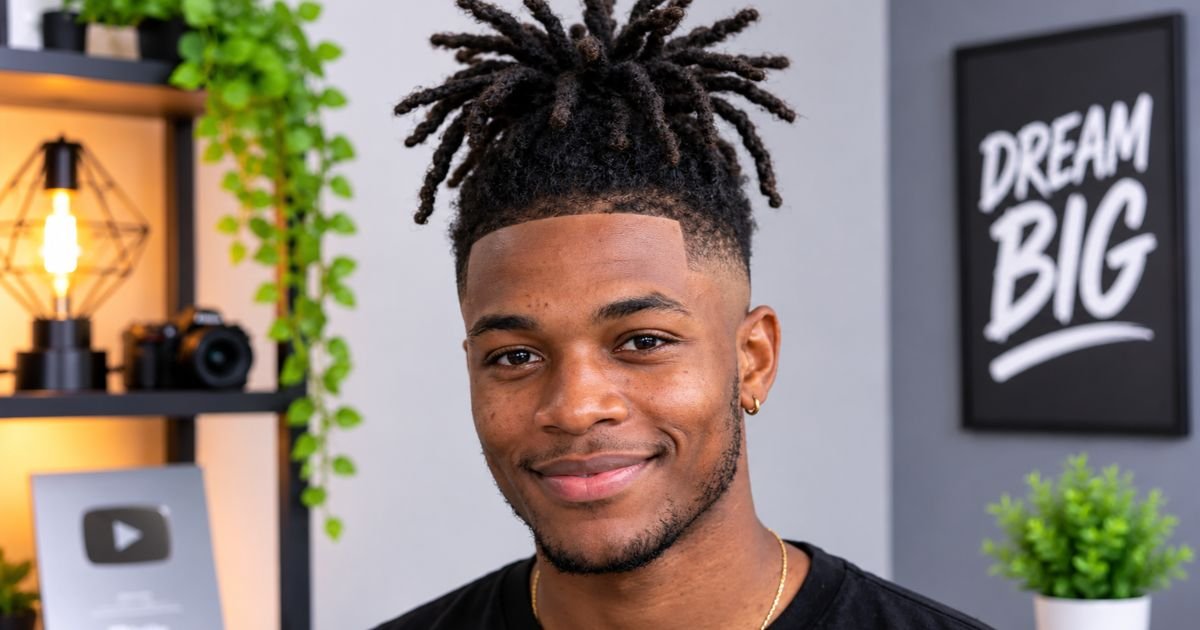
High-top dreads place the locs on top of the head in a flat or rounded block, while the sides and back are faded short. A mid fade is a softer version of the usual high fade, so the blend feels smoother.
Many people start this style with short, thin twists on top. Over time, the locs lengthen and can be styled up, down or into a bun.
Tip: Keep the sides trimmed every two to three weeks. High-top shapes look best when the fade is crisp.
Image alt text: high-top dreads with mid taper fade.
15. Swept-Back Dreads

Swept-back dreads are brushed or tied away from the face. The locs flow toward the back of the head, and the mid taper frames the sides.
This is a smart, clean look for events and for professional settings. It also shows off the forehead and cheekbones, so it fits well with round and oval faces.
Tip: Use a light oil on the locs to keep them smooth. Heavy gels can leave white flakes.
Image alt text: swept-back dreads with mid taper fade.
16. Taper Fade with Locs and Parted Design

This last idea adds a part or fine line shaved into the top edge of the fade, just where it meets the locs. It creates a subtle border that makes the locs look more defined.
It is easy to keep up if you already see your barber every few weeks.
Tip: Ask for a thin line. Thicker lines show regrowth more quickly.
Image alt text: taper fade with locs and a small shaved part.
How to Ask Your Barber for a Mid Taper with Dreads
Walking in with a clear request saves time and prevents mistakes. Many barbers are skilled with fades but have less experience with locs. A short conversation fixes that.
Step by Step: What to Say
Follow this order.
- Say what you want in one line. For example: “I would like a mid taper with dreads. I want the fade to start around my temple and blend down.”
- Show a photo. Pick a picture with a similar hair texture and loc length.
- Point to where your locs start. Show the barber the roots, especially at the hairline and neckline.
- Choose your finish. Decide on a skin fade, a shadow fade or a taper that leaves a little length.
- Ask about the lineup. Tell the barber if you want a natural edge or a sharper shape.
- Mention your scalp. If you get razor bumps or irritation, say so before the clippers come out.
Sample Script
“Please give me a mid taper on the sides and back. Start the fade at my temple and blend it down to a number one guard at the bottom. Keep the locs untouched. Give me a natural lineup and a tapered neckline.”
Guard numbers differ a little between clipper brands, so let your barber judge what fits your hair.
What to Check Before You Book
- Look at the barber’s portfolio for work on locs, coils or textured hair.
- Read reviews that mention fades and locs specifically.
- Ask whether they use clipper guards or a razor at the neckline.
- Confirm they know how to avoid cutting into the base of the locs.
The cut is only as good as the barber behind it. Five minutes spent checking their work is worth it.
How Much Does a Mid Taper with Dreads Cost?
Costs vary by city, shop and the skill of the barber. The ranges below are rough US estimates to help you plan. Always confirm the price before the appointment.
| Service | Typical Range (USD) |
| Mid taper haircut | $20 to $45 |
| Lineup or edge up add-on | $5 to $15 |
| Beard blend or design | $10 to $30 |
| Loc retwist (salon) | $50 to $150 |
| Starter locs (salon) | $100 to $400 or more |
Several things affect the final price.
- Hair length and thickness. Long, dense locs take more time.
- Design work. Shaved lines and patterns cost extra.
- Barber experience. Senior barbers charge more.
- Location. Big cities and upscale shops often cost more.
- Tips. Many people tip 15 to 20 percent for good service.
For upkeep, plan to book a cleanup every two to three weeks. If you do the maintenance yourself between visits, your yearly cost stays more manageable.
Mid Taper with Dreads: DIY vs Barber
Should you try it at home or go to a professional? Here is an honest comparison.
| Factor | DIY | Barber |
| Cost | Low after buying tools | Higher, ongoing |
| Skill needed | High for fades | Handled for you |
| Risk of mistakes | Higher | Lower |
| Back and neckline | Hard to see | Easy for a pro |
| Best for | Maintenance, touch-ups | First cut and shaping |
When DIY Makes Sense
DIY works for small jobs. You can tidy the sideburns, clean the neckline lightly or clean up stray hairs. A good trimmer and a hand mirror are the minimum.
If you do try it, work slowly. Start with a longer guard. You can always go shorter, but you cannot add hair back.
When to Go to a Barber
Go to a barber for the first cut and for any blend that needs a smooth gradient. A mid taper is a gradual change, and blending the guards by hand is a skill. It is hard to see the back of your own head, so a professional is the better choice.
A smart plan is to let a barber create the shape, then do small maintenance at home between visits.
How to Take Care of Dreads with a Mid Taper
Healthy locs make the whole style look better. The fade also needs upkeep. Here is how to handle both.
Care for the Locs
- Wash regularly. Most people wash every one to two weeks. Use a residue-free shampoo so the product does not build up inside the locs.
- Moisturize lightly. Use a light oil or spray on the locs and the scalp. Too much product leaves buildup.
- Retwist carefully. Retwisting roots every four to eight weeks is common. Over-twisting can thin the hair at the base.
- Palm roll if you like. Rolling the locs between your palms helps tighten them and keeps the shape tidy.
- Protect at night. Use a satin cap, durag or satin pillowcase. It reduces friction and helps prevent frizz and breakage.
- Dry fully. Damp locs can develop a musty smell. Let them air dry or use a low heat dryer.
Care for the Taper
- Visit your barber every two to three weeks. The fade softens as hair grows.
- Moisturize the scalp. Dry skin shows more on a faded area.
- Wear sunscreen. Shorter hair gives less protection from the sun.
- Prevent razor bumps. Use a clean trimmer. A warm towel before a trim and a soothing balm afterward can help.
Scalp Care and Hair Growth
Healthy hair starts with a healthy scalp. If you see persistent irritation, redness or hair loss, talk to a dermatologist. Do not ignore soreness around the roots, since tight styles can cause traction problems.
Common Mistakes to Avoid
- Using heavy wax or creams that build up inside locs.
- Pulling the locs into very tight styles every day.
- Skipping washes because of a fear that water will loosen the locs.
- Letting a barber trim into the locs at the lineup.
- Ignoring itching or flaking on the scalp.
Is a Mid Taper with Dreads Office-Appropriate?
In most workplaces, yes. A tidy mid taper reads as groomed and professional. The clean sides, neat neckline and controlled locs signal care and attention to detail.
Of course, workplaces differ. Some industries have conservative dress codes. If you work in law, finance or a client-facing role, a few choices help.
- Keep the lineup natural, not extreme.
- Choose a shorter taper blend rather than a skin fade.
- Style the locs back or in a low tie.
- Keep the locs clean, tight at the roots and free of residue.
- Skip bold colors or shaved designs for formal settings.
It is also worth knowing your legal rights. In the United States, the CROWN Act has been passed in many states and prohibits discrimination based on natural hair texture and protective styles. Rules vary by state and country, so check local laws if you are unsure.
Mid Taper with Dreads for Different Hair Types and Genders
The style adapts to different hair types and genders. Here are the details people often ask about.
Mid Taper Fade with Dreads for Men
For men, the mid taper pairs well with a beard, a connected lineup and locs of any length. Short locs look sporty. Long locs look bold.
If you want a more professional finish, keep the top neat, the neckline tapered and the beard trimmed. If you want an attitude, try a high-top or freeform shape.
Mid Taper Fade with Dreads for Women
Women wear this style too, and it can look striking. A mid taper fade with dreads female style often uses a softer blend and a longer taper so the sides look gentle, not stark.
Many women choose a side fade only, with locs swept to the other side. Others pair a mid taper with a tapered nape and a high bun. If you are new to fades, start with a tapered cut that leaves a bit of length. You can always go shorter on the next visit.
Also Read This : Mid Taper Fade Short Hair
Mid Taper Fade with Dreads for Black Girls
For Black girls, the mid taper pairs naturally with coily and kinky textures. Locs, twists and sponge twists all hold well on tightly coiled hair, and the fade stays clean against the texture.
If you are choosing a style for a child or a teen, talk to a barber who has worked on textured hair and keep the cut gentle on the scalp. Protective care, such as moisturizing and satin wraps at night, keeps the hair healthy.
Mid Taper Fade with Dreads on Curly Hair
Curly hair, especially loose curls and waves, can form locs with a different method. Loose curls may need extra twisting, backcombing or interlocking to hold. Sponge twists often work for medium curl patterns.
The mid taper still works, but the barber should blend carefully because looser textures show fade lines more easily. Ask for a soft transition and a slightly longer guard at the start.
Which Face Shape Fits Best?
| Face Shape | Styling Tip |
| Round | Add height on top and keep the sides tight |
| Oval | Almost anything works, so choose by lifestyle |
| Square | Soft locs and a gentle taper balance the jaw |
| Long | Avoid too much height. Choose medium length locs |
FAQs About Mid Taper with Dreads
What is a mid taper with dreads?
It is a haircut with locs on top and sides and back that fade from the temple downward. The fade starts at a medium height.
Can you get a mid taper with short dreads?
Yes. Short dreads, starter twists and sponge twists all look good with a mid taper because the locs stay compact.
How often should I get my mid taper cleaned up?
Every two to three weeks keeps the lines sharp. Skin fades and designs may need a visit every one to two weeks.
Will the barber cut my dreads when giving a fade?
A skilled barber will not. Point out where the locs start and ask them to fade around the roots.
Is a mid taper better than a low or high taper with dreads?
A mid taper is more balanced. A low taper is subtler and a high taper is bolder, so pick based on your face shape and workplace.
How long should dreads be for a mid taper?
Any length works, from one inch starters to long locs. Short and medium lengths show the fade most clearly.
Can I get a mid taper fade with locs on thin hair?
Yes, but choose a softer blend. A strong contrast can make thin hair look sparse.
Does a fade damage dreadlocks?
No, if the barber stays away from the locs and uses clean tools. Damage usually comes from cutting into locs or pulling them too tight.
How long does it take to grow dreads?
Locs usually take several months to a year or more to mature, depending on hair type and method.
Can women get this style?
Yes. Many women wear it with a softer blend or a one-sided fade.
What should I use to style dreads with a mid taper?
A light oil or a water-based spray works well. Avoid heavy wax that builds up inside the locs.
Final Thoughts
A mid taper with dreads is clean, flexible and easy to personalize. It works on short starter locs and on long, mature ones. It suits men, women and teens, and it fits most face shapes.
Start by choosing the length and mood that match your life. Bring a photo to your barber and point out where your locs begin. Keep the fade fresh every two to three weeks and give your locs steady, gentle care.
Do those things, and your mid taper with dreads will look sharp from the first day to the long run.
